
After a long winter, is your homestead spring cleaning list growing faster than your seedlings? Are seed packets breeding like rabbits and tools playing hide-and-seek throughout your property? Don’t worry – you’re not alone! Spring on the homestead isn’t just about new beginnings; it’s about reclaiming your space and setting yourself up for a productive season ahead.
Lost time searching for tools or supplies directly impacts your homestead productivity. A well-organized property isn’t just visually appealing; it’s essential for preventing disease, ensuring bountiful harvests, and maintaining your sanity. Think of homestead spring cleaning as an investment in your well-being and productivity – a little effort now pays tremendous dividends all year long.
In this comprehensive guide, we’ll break down your homestead spring cleaning into manageable zones: Indoor Spaces, Outbuildings, Garden Areas, and Organizational Systems. Get ready to declutter, organize, and supercharge your homestead for your most productive year yet!
Conquering Indoor Spaces: Where Homestead Life Begins
Kitchen Command Center: The Heart of Your Homestead
- Pantry Power-Up: Eliminate expired goods, consolidate similar items, and implement a FIFO (First In, First Out) system to reduce food waste. Take inventory of what you actually used last season.
- Appliance TLC: Deep clean your oven, refrigerator, and other kitchen workhorses that will be essential during harvest season. Create a natural cleaning solution with white vinegar, water, and a few drops of lemon or tea tree essential oil.
- Preserving Prep: Inspect canning jars for cracks or chips, ensure you have new lids ready, and organize your food preservation equipment. Now is the time to take inventory before the harvest rush!
- Food Storage Mastery: Invest in quality airtight containers for bulk goods, implement clear labeling systems, and organize by frequency of use. Consider transparent containers for visual inventory checks.
Living Spaces: Creating Calm Amid Homestead Chaos
- The Great Purge: Implement the ‘one in, one out’ rule for household items, create donation/selling boxes for unwanted goods, and identify items that can be repurposed for homestead projects.
- Homestead Storage Hacks: Maximize vertical space with wall shelving, use under-bed storage for seasonal items, and create dedicated zones for homesteading books, supplies, and equipment.
- Deep Clean Dive: Embrace natural cleaning methods using vinegar, baking soda, and essential oils. Focus on often-neglected areas like window tracks, ceiling fans, and behind appliances.
Entryway Organization: The Gateway to Efficient Homesteading
- Boot & Shoe Bootcamp: Create a designated area with boot trays, drying racks, and hooks to prevent mud-tracking and keep essential footwear accessible but organized.
- Coat & Jacket Control: Implement a seasonal rotation system, install sturdy hooks at various heights for different family members, and ensure adequate space for work jackets and rain gear.
- The Ultimate Drop Zone: Design a functional area with mail sorters, key hooks, and baskets for gloves, hats, and small tools that tend to get misplaced.
Outbuilding Overhaul: Organizing Your Homestead’s Workspaces
Barn & Livestock Areas: Creating Healthy Animal Environments
- Mucking Out & Making Merry: Thoroughly clean stalls, replace bedding, and implement efficient waste management systems. Consider creating a dedicated composting area for livestock bedding.
- Water & Feed Focus: Scrub and disinfect all water troughs, feeders, and storage containers. Check automatic waterers for proper function and clean feed storage areas.
- Ventilation & Repair Roundup: Ensure proper airflow through cleaning vents and fans, identify any structural issues, and create a prioritized repair list for the coming season.
Chicken Coop Cleaning: Happy Hens, Healthy Eggs
- Deep Clean Delight: Remove all old bedding, scrub surfaces with a poultry-safe disinfectant, and inspect for pest infestations or damage that needs repair.
- Nesting Box Nirvana: Clean thoroughly, add fresh bedding material, and consider implementing a design that allows egg collection without disturbing nesting hens.
- Predator-Proofing Patrol: Inspect the entire coop for potential entry points, reinforce vulnerable areas, and test locks and latches to ensure they’re secure.
Shed & Workshop Organization: Where Homestead Magic Happens
- Tool Time Tune-Up: Sharpen, oil, and organize your tools by function. Implement storage solutions like pegboards, shadow boards, and labeled toolboxes to find what you need instantly.
- Work Zone Wonders: Create dedicated areas for different tasks like seed starting, equipment repair, and carpentry to increase efficiency and reduce setup time.
- Safety First: Properly store chemicals in locked cabinets, keep sharp tools in protective sheaths, and ensure fire extinguishers and first aid kits are accessible and updated.
Garden & Grounds: Preparing for a Productive Growing Season
Garden Bed Preparation: Building the Foundation for Success
- Debris Duty: Clear old plant material, leaves, and perennial weeds from all growing areas. Compost disease-free materials and dispose of any diseased plant material.
- Soil Secrets: Test soil pH and nutrient levels, amend with appropriate organic matter, and consider cover crops for areas that won’t be immediately planted.
- Bed & Fence Fixes: Repair raised beds, trellises, and fencing before the growing season begins. Check irrigation systems for leaks or damage.
Seed Starting Sanctuary: Organizing for Germination Success
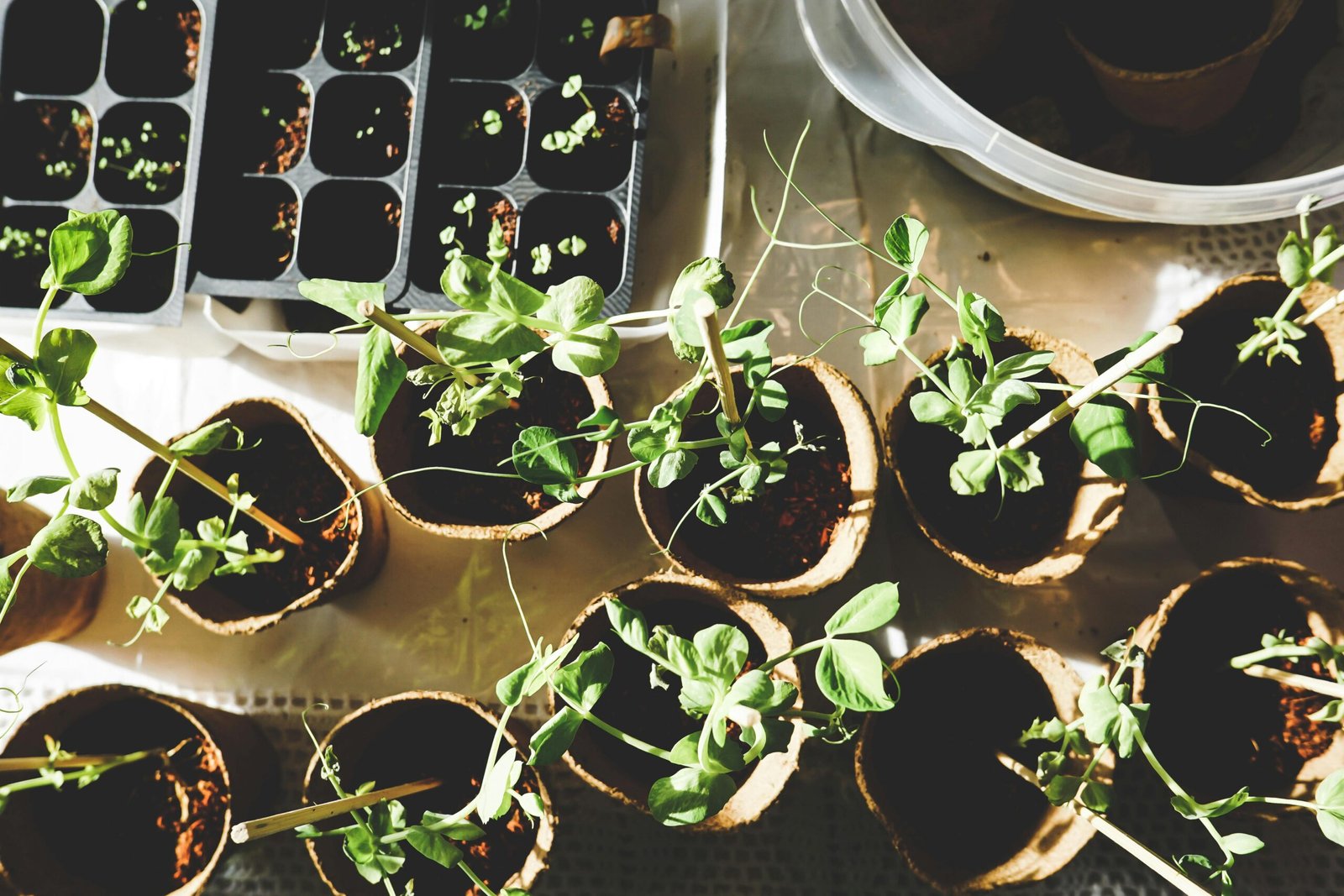
- Sterilize & Organize: Clean and disinfect all seed starting trays, pots, and tools. Organize seeds by planting date and create a visual planting calendar.
- Supply Stock-Up: Inventory potting mix, fertilizers, labels, and other essentials. Create a dedicated area for seed starting equipment that’s easily accessible.
Compost Management: Turning Waste into Garden Gold
- Turning & Testing: Ensure proper aeration by turning compost piles, assess readiness for use, and organize new collection systems for the coming season.
Yard & Path Maintenance: Creating Functional Outdoor Spaces
- Pruning Power: Remove dead or damaged branches from trees and shrubs, shape for better production, and clear growth from pathways and access points.
- Gutter & Drainage Detail: Clean all gutters and downspouts, ensure proper water flow away from buildings, and identify areas where additional drainage might be needed.
- Pathway Perfection: Clear and repair pathways, add new material where needed, and ensure accessibility to all areas of your homestead.
Systems & Records: The Backbone of Homestead Organization
Food Preservation Files: Planning for Abundance
- Preservation Inventory: Document what preserved goods you still have, what was consumed quickly, and what wasn’t used to better plan this year’s efforts.
- Preserving Prep List: Based on garden plans, determine preservation goals for each crop and schedule processing time on your calendar.
- Recipe & Resource Roundup: Organize your canning, dehydrating, and fermenting recipes in a dedicated binder or digital system for easy reference.
Animal Management Made Easy: Records for Healthy Livestock
- Health & Breeding Records: Create or update systems for tracking vaccinations, treatments, and breeding information for all livestock.
- Feed Flow: Establish methods for monitoring feed consumption, quality, and purchasing to optimize animal health and budget management.
Budget & Blueprint: Financial Organization for Homestead Success
- Expense Evaluation: Review past expenses by category to identify potential savings and better allocate resources for the coming season.
- Project Planning: Set specific goals with realistic timelines for homestead improvement projects based on priority and available resources.
Maintaining Your Newly Organized Homestead: Systems for Success
Daily & Weekly Wins: Small Tasks for Big Results
- Implement 10-minute end-of-day reset routines for high-traffic areas like the kitchen and entryway.
- Create a rotating cleaning schedule that addresses different homestead zones throughout the week.
- Make beds, wipe counters, and put tools away immediately after use to prevent accumulation of chaos.
Seasonal Checklists: Staying Ahead of Homestead Maintenance
- Develop quarterly maintenance checklists for each homestead zone to prevent small issues from becoming major problems.
- Schedule seasonal deep-cleaning days that involve the whole family with specific assigned tasks.
- Create pre-winter and pre-spring preparation lists to smooth transitions between major seasons.
The 15-Minute Miracle: Daily Organization for Busy Homesteaders
- Set a timer for just 15 minutes each day to focus on a single organization task.
- Rotate through different areas of your homestead to maintain organization without overwhelming yourself.
- Use this time to involve children in age-appropriate organizing tasks that teach valuable life skills.
Teamwork: Making the Homestead Dream Work
- Assign specific responsibilities to each family member based on age, ability, and interest.
- Host regular family meetings to discuss homestead goals, challenges, and celebrate organizational wins.
- Consider organizing community work days for larger projects, trading help with neighboring homesteaders.
Implementing these homestead spring cleaning strategies won’t just transform your property – it will revolutionize your productivity and reduce daily stress. Remember that organization isn’t about perfection; it’s about creating systems that work for your unique homestead needs. Start with the areas that cause you the most frustration, implement solutions one zone at a time, and celebrate your progress along the way.
A well-organized homestead allows you to focus on what really matters: growing food, caring for animals, and enjoying the satisfaction of self-sufficient living. Your spring cleaning efforts today will support your homestead success all year long.